






イラン戦争とイスラエル政策への不満、トランプ政権の支持基盤に広がる亀裂
JD・バンス副大統領が11月4日、Xへの投稿で、共和党から離反した有権者の不満を率直に認めた。中間選挙での共和党の敗北を受け、バンスは支持者との関係を立て直す必要性を訴えている。注目すべきは、その投稿が単なる選挙敗北の分析にとどまらず、トランプ政権の外交・経済政策そのものに見直しを迫る内容になっていることだ。
One of the things the data analysts on our side obsessed over was “composition”—whether the electorate looked close enough to 2024 for Republicans to win. And despite polls that showed a Democrat blowout, the data kept on telling us the same story: in some states turnout was merely OK, in other states it was downright amazing, and in no state was it catastrophic. There was a genuine sense of optimism on our team: our people were showing up.
So, I asked the smartest data guy I know, does that mean we’re going to shock the world? “No,” he told me. “We might do better than the polls suggest. But the data is telling us that a lot of Trump/Vance 2024 voters are pissed and planning to vote for the other guys. Our voters are turning out, but they may not vote for us.”
Well, that looks prophetic now. Our voters did show up. In Florida, for example, the electorate was 9 points more Republican than Democrat, just a couple points worse than 2024. Undoubtedly there were places we could have done better on turnout. But the main problem is not turnout. The main problem is that many people who voted for Trump/Vance in 2024 voted for Democrats in 2026.
There will be a lot of infighting and arguing over what happened and why that is. One of the pollsters I really respect told me that our economic messaging wasn’t sharp enough down the stretch. I’m sure that’s true.
But the real reason we lost is obvious to almost everyone.
Another pollster—one of the smartest people I know in politics, told me yesterday we’d lose the generic ballot by 13 points. I felt negative going into Tuesday, but even I was shocked by this. In his polling, he saw that a lot of Trump 2024 voters were angry and planning to vote for Democrats. He asked those voters who had abandoned us what would cause them to come back on our team. The top four answers, accounting for nearly all of the responses were:
1) End the war
2) Focus on cost of living/inflation
3) Put America First
4) Change our relationship to IsraelOur voters showed up. And the above four reasons are why many of them voted for Democrats. This is according to a pollster who nailed the results. While many spent Monday attacking Rachel Campos Duffy for calling for a diplomatic resolution to the conflict, it turns out her political advice was sound. (She’s also a great person.)
In the next few months, there’s going to be a lot of gaslighting. Expect to hear any number of establishment politicians say the solution to our woes is amnesty. I’m open to the idea that we should change enforcement—by focusing more on businesses that hire illegal labor, for instance. But anyone pushing amnesty is lying to you.
The reason we lost is the war. The president himself said so last night.
If you’d like to argue it was worth it, that losing the Senate for the next 6 years was worth it, then do so. Argue it was a worthwhile cost to pay. Agree or disagree, that’s at least honest.
But everyone knows why we lost. And any honest conversation about where we go from here must start there.
I remain hopeful about our country. To the people who are pissed off and want to say, “I told you so”: you’re right, you did tell us so. Take that energy into electing Republicans who share your worldview. To the people who are just pissed at the results, you should be. Let’s take that anger and get back to the work of saving our country.
— JD Vance (@JDVance) November 4, 2026
バンスによれば、共和党陣営のデータ分析では、投票者の構成や投票率は2024年の大統領選挙と大きく変わっていなかった。つまり、共和党支持者が投票所に行かなかったことが敗因ではない。むしろ、2024年にトランプとバンスに投票した有権者の相当数が、今回は民主党候補に投票したという。
この指摘が正しければ、共和党が直面しているのは、支持者の動員不足ではなく、支持基盤そのものの離反である。
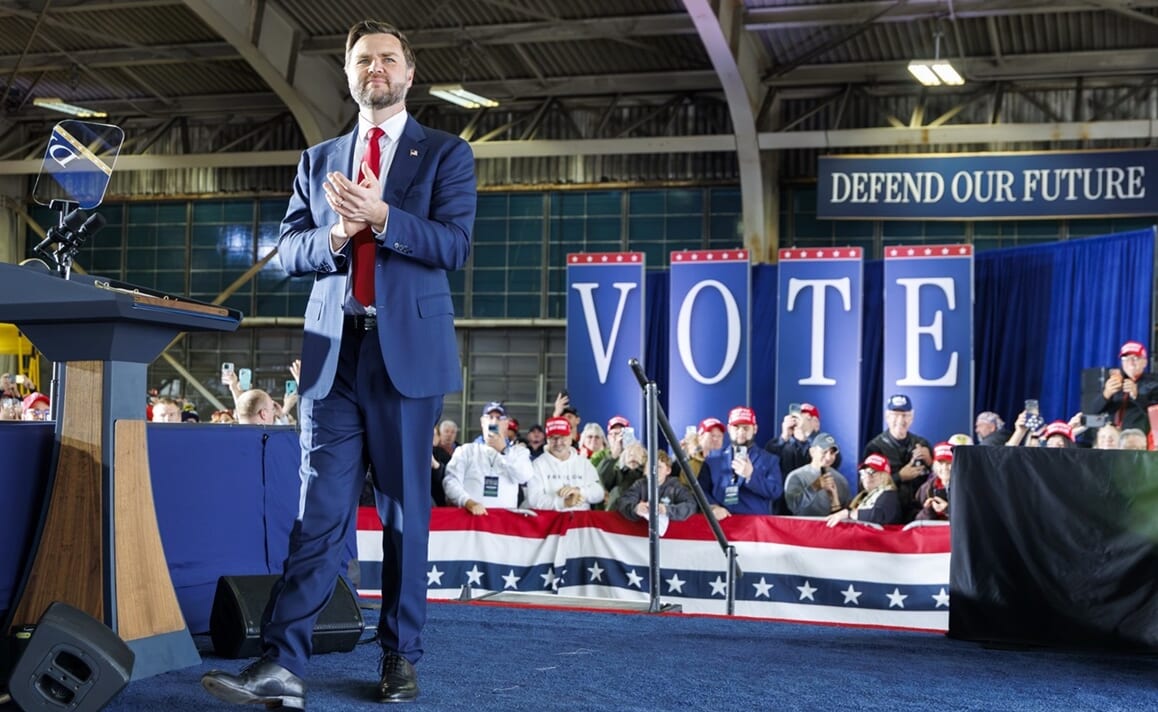
共和党への投票を呼び掛けるバンス副大統領 同副大統領Xより
MAGA支持者が求めている四つの転換
バンスは、共和党から離れた有権者に対し、何があれば再び共和党に投票するのかを尋ねた調査の結果として、四つの回答を紹介した。
第一に、戦争を終わらせること。第二に、生活費とインフレに焦点を当てること。第三に、「アメリカ・ファースト」を実践すること。そして第四に、イスラエルとの関係を変えることだ。
とりわけ重要なのは、イラン戦争への言及である。バンスは、今回の選挙で共和党が敗北した理由の一つとしてイラン戦争を挙げ、トランプ大統領自身も前夜にその点を認めたと説明した。さらに、上院での多数派を6年間失うという政治的コストを払ってまで、この戦争を遂行する価値があったのかと問いかけている。
これは、トランプ政権の外交政策に対する相当に踏み込んだ問題提起だ。
MAGA運動の原点には、イラクやアフガニスタンでの長期介入に対する反発があった。米国の資源を海外の戦争に費やすよりも、国内の産業や労働者、国境管理、生活水準を優先するという主張である。イラン戦争が長期化し、米国の負担が増すことになれば、こうした支持者の期待と政権の政策との間に矛盾が生じる。
イスラエルとの関係を見直すべきだという回答も、共和党にとって無視できない。従来の共和党は、イスラエル支持を外交政策上の重要な原則としてきた。しかし、MAGAの支持基盤には、米国が中東の紛争に深く関与すること自体に疑問を持つ層が存在する。バンスがこの問題を取り上げたことは、共和党内部の外交政策論争が、従来の親イスラエル路線にも及び始めていることを示している。
反エリートの原点に立ち返るバンス
バンスの投稿でもう一つ注目されるのは、移民政策と企業の責任に関する主張だ。
バンスは、不法移民を雇用する企業への取り締まりを強化することには前向きな姿勢を示した。一方で、移民への恩赦を支持する共和党エスタブリッシュメントを批判している。
これは、単純な反移民政策というよりも、企業と政治エリートの癒着に対する批判として理解できる。安価な労働力を求めて不法移民を雇用する企業が利益を得る一方、その影響を受けるのは米国の労働者だという構図である。
MAGA運動が当初から訴えてきたのは、ワシントンの政治家や大企業、既存のエリート層が一般の労働者を犠牲にして利益を得ているという不満だった。バンスは、共和党がその原点を忘れていると警告しているのである。
トランプ後の共和党を誰が定義するのか
今回の投稿は、選挙敗北を受けた反省であると同時に、トランプ後の共和党をめぐる政治的な布石とも読める。
バンスは、トランプ政権の副大統領として政権を支える立場にある。しかし、今回の発言では、政権の外交政策に対する支持者の不満を代弁し、共和党の既成勢力を批判することで、自らをMAGA運動の原点に近い政治家として位置づけようとしている。
もちろん、バンスが紹介した調査については、標本の規模や質問方法などの詳細が明らかでない以上、共和党離反者全体の意見を代表するものと断定することはできない。それでも、イラン戦争、生活費、アメリカ・ファースト、イスラエルとの関係という四つの論点を副大統領自身が並べたことには政治的な意味がある。
トランプ政権は、外交政策で強硬姿勢を打ち出す一方、国内では物価や生活費への不満に直面している。MAGA支持者が求めていたのは、必ずしも米国の軍事力を世界中で行使することではなかった。むしろ、海外への過剰な関与を抑え、国内の問題に政治的資源を振り向けることだったはずだ。
バンスは今回、支持者の怒りを共和党の立て直しに向けるよう呼びかけた。しかし、そのためには支持者の不満を言葉で代弁するだけでは足りない。トランプ政権の政策そのものを修正できるかが問われる。
MAGAを再び結集できるのか。それとも、トランプ政権の政策と支持基盤の矛盾が、共和党内部の新たな対立を生むのか。今回のバンスの投稿は、2028年の大統領選挙を見据えた共和党の路線争いが、すでに始まっていることを示している。








コメント